Designing a bathroom is about more than a quick update. It is an opportunity to express taste while improving daily routines. The core keyword here, bathroom decor, covers color, texture, fixtures, and layout choices that create a cohesive look. In this guide I share practical, evidence based ideas to help you achieve a balanced space that feels calm, modern, and durable. This guidance reflects industry best practices for moisture resistance, ergonomics, and cleanability, informed by a decade of design and remodeling experience.
Understanding bathroom decor
Bathroom decor blends aesthetics with function. The best results come from defining a concept early, selecting a restrained palette, and layering materials that age well in a damp environment. For credibility I draw on universal design principles such as contrast for readability, texture for warmth, and lighting for usability. A measured approach reduces clutter and prioritizes storage that stays accessible.
Color theory for bathrooms
Color sets mood and influences perceived space. Lighter shades like soft whites, travertine, or pale blues can make small rooms feel larger, while deeper hues grounded with warm neutrals add drama without feeling oppressive. A common approach is to pick a primary color and introduce a complementary accent color through towels, artwork, or a vanity accessory. A practical rule of thumb is the 60 30 10 allocation: 60 percent primary, 30 percent secondary, 10 percent accent.
Materials and textures
Durable surfaces such as ceramic tile, porcelain, quartz counters, and moisture resistant paints withstand daily use. Mix textures to add depth: matte fixtures, glossy tiles, natural stone, and woven baskets for storage. Metals like brushed nickel or matte black offer contemporary appeal and hide fingerprints better than polished chrome. For sustainability, choose low VOC paints and compliant tiles that resist mold and mildew in damp climates.
Popular bathroom decor styles at a glance
| Style | Key Elements | Pros | Ideal Space |
|---|---|---|---|
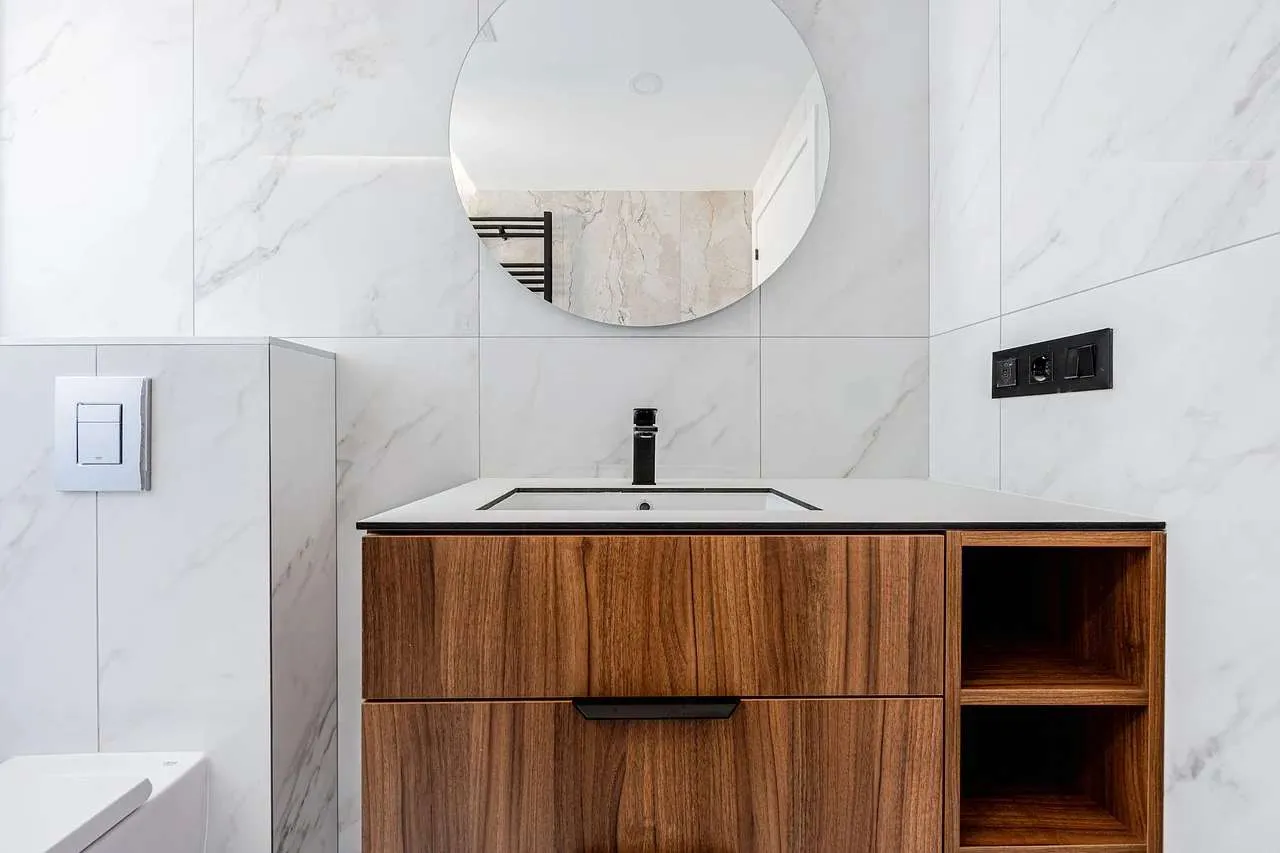
| Modern | Clean lines, neutral palette, hidden storage | Feels fresh; easy to clean | Small to medium baths |
| Classic | Wood vanity, warm metals, traditional tile | Timeless appeal; durable finishes | Medium to large baths |
| Coastal | Light colors, natural textures, breezy mirrors | Bright and inviting | Small spaces, homes near water |
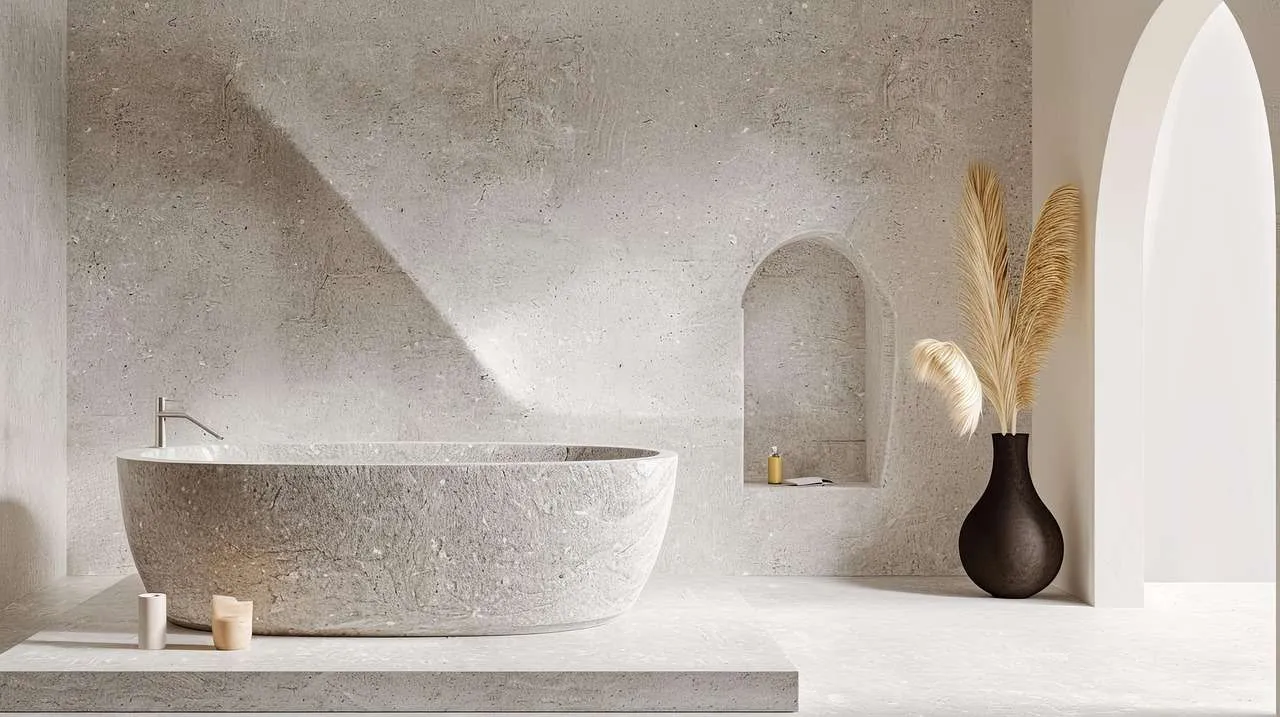
| Spa like | Soft textures, layered lighting, plants | Relaxing atmosphere | Primary bathroom |
Practical tips for better bathroom decor
Lighting matters as much as tile. Combine task lighting around mirrors with ambient lighting to avoid harsh shadows. Mirrors with beveled edges or frameless designs can visually expand a room. Storage is crucial; choose cabinetry that hides everyday products but keeps essentials within reach. Add greenery or low maintenance plants to improve air quality and soften the space.
Budgeting and shopping smart
Set a realistic budget and prioritize items that age well. Invest in a durable vanity and quality lighting, then layer with affordable decor accents such as towels, mats, and artwork. When shopping, compare materials by moisture resistance, cleaning ease, and warranty. Read product reviews and consult professional guidance if you are remodeling a humid environment.
Putting it together
To ensure coherence, create a simple mood board that outlines color chips, tile samples, and fixture finishes. Test paint samples on a wall at different times of day to see how lighting affects tone. A cohesive bathroom decor plan blends form with function and reflects personal style while staying practical for daily use.
Conclusion
Conclusion, thoughtful color choices, durable materials, and strategic lighting are the foundation of successful bathroom decor. By balancing style with storage, you can craft a space that feels calm, modern, and easy to maintain.