Introduction
Space is at a premium in many homes, and small bathrooms demand design strategies that maximize function without sacrificing style. As a design professional with over a decade of experience in bathroom renovations, I’ve learned that thoughtful layouts, smart storage, and durable finishes can transform a tight space into a calm, efficient retreat. The goal of these small bathroom ideas is to improve flow, increase storage, and create a room that feels larger and brighter while staying within real-world budgets.
Space-Saving Layouts
Choosing the right layout is the foundation of a successful small bathroom. Favor configurations that open sightlines, reduce obstructions, and make daily routines easy. Consider how you move through the room and the location of plumbing lines to minimize disruption during remodeling.
Wet Room vs. Separated Shower
A glass-enclosed walk-in shower or a roll-in wet room can visually expand the space by avoiding bulky doors and framing. A frameless glass shower creates a seamless, reflective surface that makes the floor area appear larger. If budgets or plumbing limit a full wet room, a compact shower stall with a clear door is a close alternative that still feels airy.
Compact Fixtures
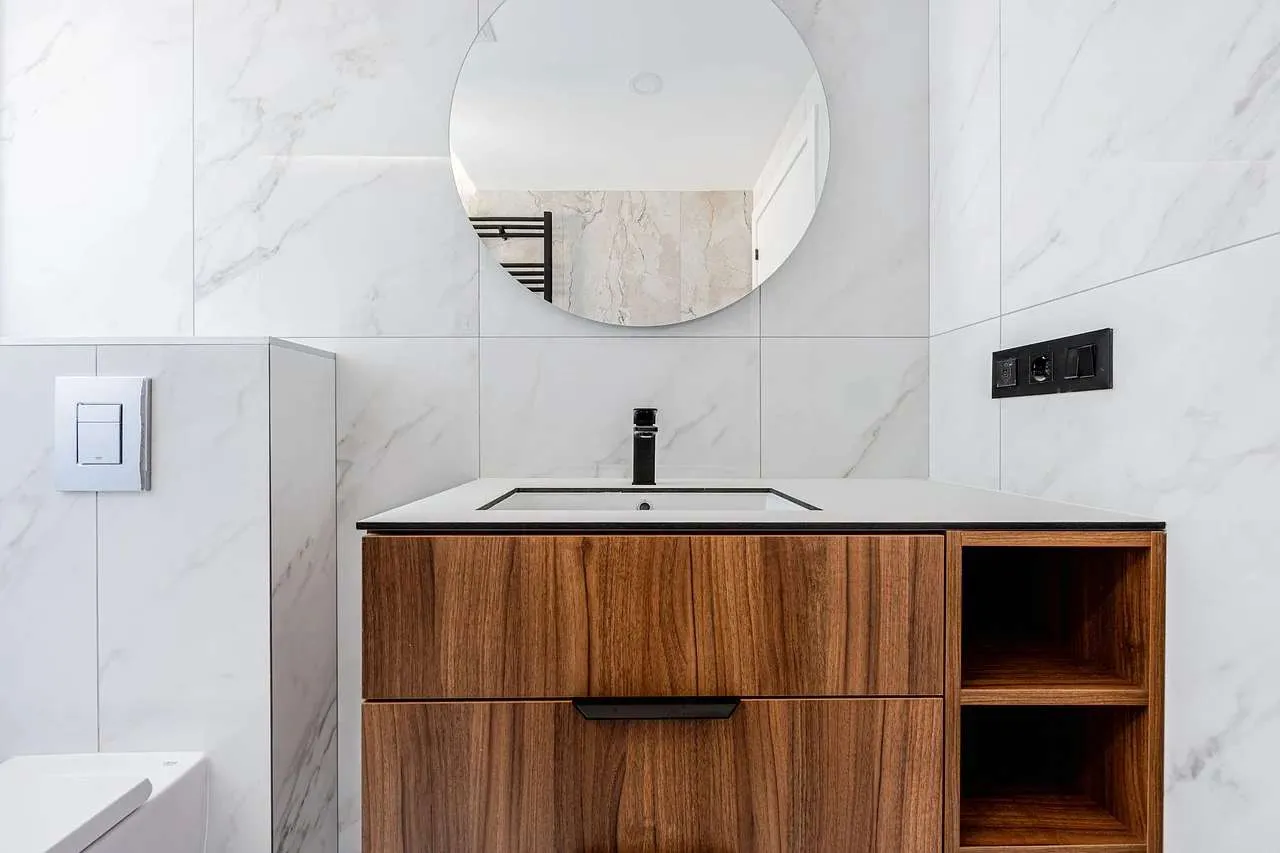
Wall-mounted or pedestal sinks, compact toilets, and floating vanities reduce visual bulk and free up floor space. A wall-mounted vanity with a shallow depth keeps the counter usable while exposing more floor area, which enhances the perception of space. Consider a corner sink or a narrow, wall-hung toilet to tuck fixtures into tight corners.
Storage Solutions
Storage is the magic ingredient in small bathrooms. The right solutions keep daily essentials organized without crowding the room.
Built-In and Recessed Storage
Recessed medicine cabinets, recessed niches in the shower, and built-in shelves above the toilet provide storage without protruding surfaces. Use moisture-resistant materials and adjustable shelves to tailor spaces for towels, toiletries, and cleaning supplies.
Vertical and Corner Solutions
Tall, slim cabinets or open shelving mounted high on walls draw the eye upward, creating the illusion of height. Corner units, magnetic strips for metal tools, and hooks on the back of the door or inside cabinets maximize every inch while keeping clutter out of sight.
Lighting and Color
Light and color have the biggest impact on perceived space. A well-lit bathroom feels larger and more inviting, while reflective surfaces bounce light around the room.
- Use layered lighting: a bright overhead fixture plus task lighting around mirrors increases visibility for grooming.
- Opt for pale or cool-toned colors such as whites, creams, light grays, or soft blues to reflect light and expand the sense of space.
- Incorporate mirrors or mirrored medicine cabinets to double the light and visually enlarge the room.
Materials and Finishes
Durable, water-resistant materials stand up to the damp bathroom environment while supporting a clean aesthetic. Choose:
- Porcelain or ceramic tiles with larger formats to reduce grout lines and create a seamless feel.
- Low-profile, slip-resistant flooring for safety and a cohesive look.
- Moisture-resistant paint or tile paint for walls to preserve color and finish over time.
Fixtures and Accessories
Finish choices influence both style and maintenance. Select fixtures with simple lines and smooth surfaces for easy cleaning. Consider:
- Clear glass shower doors or curtains that retract; avoid heavy frames that visually close the space.
- Towel bars and robe hooks placed near the shower and vanity for convenience without crowding walls.
- Smart storage accessories like magnetic strips, hangers, and extendable shower cockets to keep essentials organized.
Quick Budget Tips
Small bathroom projects can deliver big results without breaking the bank. Prioritize updates that have high visual impact and long-term durability: install a glass shower, replace old vanity with a compact model, add recessed storage, and choose durable, water-resistant finishes. Plan in phases if necessary, and hire licensed professionals for plumbing and electrical work to protect safety and value.
Comparison of Space-Saving Layout Options
| Layout/Option | Pros | Cons | Best For |
|---|---|---|---|
| Walk-in shower with glass enclosure | Open feel, easy cleaning, modern look | Floor slope and installation considerations | Minimalist, open-feel baths |
| Shower stall with curved rod or curtain | Low cost, flexible, quick upgrade | Moisture control and visual bulk if not kept tidy | Ultra-tight budgets |
| Corner vanity + wall-mounted toilet | Maximizes floor space, clean lines | Limited base storage, may require custom fit | Tight corners, contemporary look |
| Pocket door or barn door | No swing space needed, smoother flow | Installation complexity and cost | Narrow entryways, busy floor layouts |
Conclusion
Small bathroom ideas center on balancing form and function through smart layouts, clever storage, and durable finishes. By choosing a walk-in or compact shower, installing recessed storage, and leveraging light colors and mirrors, you can create a space that feels larger, is easier to maintain, and remains welcoming to daily routines. A thoughtful, EEAT-driven approach—focusing on expertise, reliable products, and trusted trades—ensures your small bathroom not only looks great but performs well for years to come.
Summary: Small bathroom ideas combine layout, storage, lighting, and finishes to maximize every inch. Space-saving layouts like walk-in showers, compact vanities, and glass doors create openness; built-in storage and smart finishes reduce clutter; layered lighting enhances perceived space while durable, water-resistant materials ensure longevity. By choosing the right fixtures, you can achieve a functional, stylish bathroom that feels larger than its footprint.