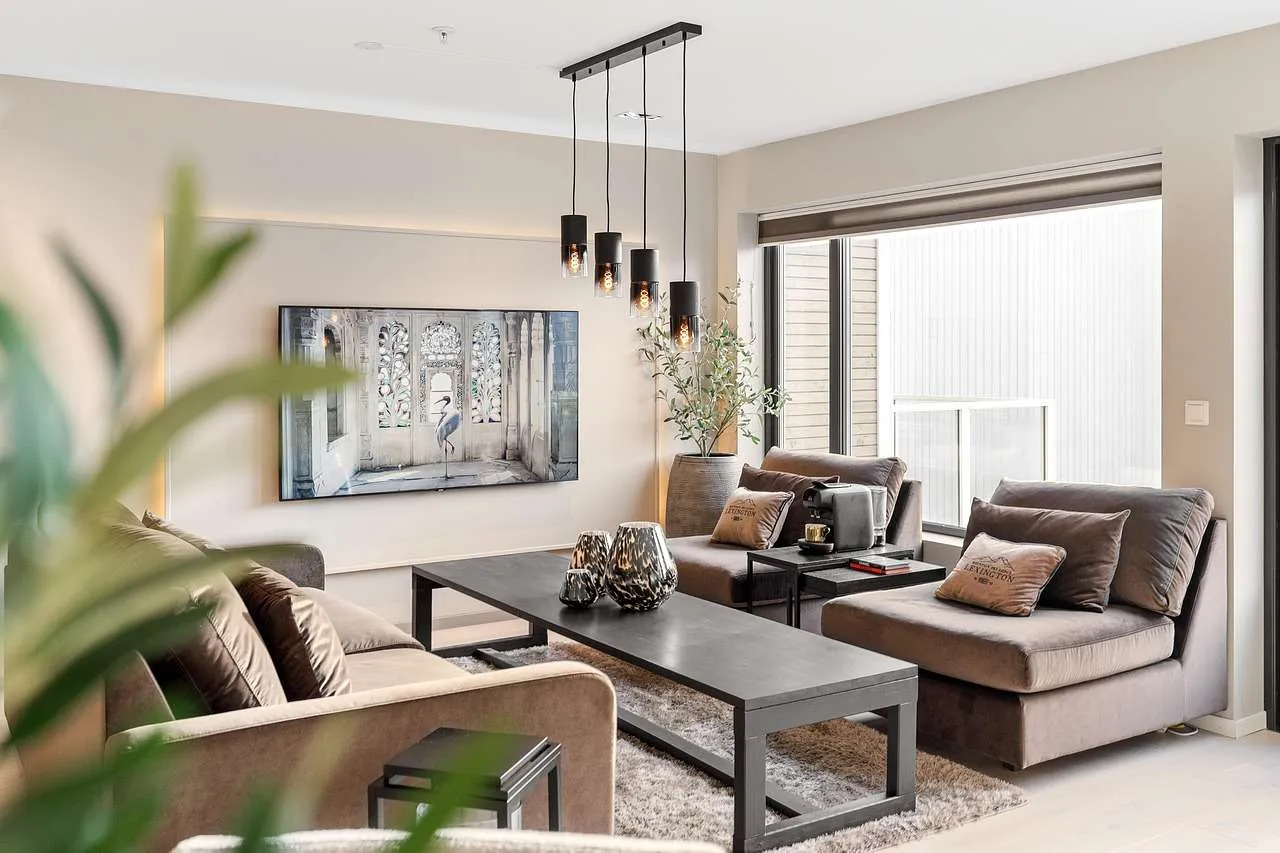
What is home window tinting?
Home window tinting involves applying a thin film to interior or exterior glass to reduce heat gain, block UV rays, and improve privacy. Modern films are designed to be durable, optically clear, and compliant with local laws. They can be installed on most residential windows, including double-pane units, patio doors, and skylights, offering a practical upgrade for comfort and efficiency.
Benefits of home window tinting
- Energy savings: Tint reduces solar heat gain, helping your cooling system work less and lowering utility bills.
- UV protection: Most films block up to 99% of harmful UV rays, protecting furniture, floors, and skin.
- Privacy and glare control: Tint improves privacy during the day and reduces glare on screens and dashboards.
- Safety and durability: Many films hold shattered glass together and resist scratching, providing an added layer of protection.
- Aesthetics and resale value: A uniform tint can enhance curb appeal and may increase appeal to future buyers.
Types of window tint
Dyed films
Dyed films use a layer of dye to absorb heat and reduce glare. They are cost-effective and offer a wide range of shades, but can darken over time and may fade in strong sun.
Metalized films
Metalized films contain thin metallic particles that reflect heat and reduce visible light. They provide strong heat rejection but can interfere with radio signals, GPS, and cell phones if not professionally installed.
Ceramic films
Ceramic films use non-conductive crystals to block heat and UV without sacrificing clarity or color. They offer excellent durability and no signal interference, making them a popular premium option.
Carbon and other advanced films
Carbon films balance heat rejection and light transmission with a matte appearance. They resist tint fading and offer good UV protection without metal fragments, combining aesthetics with performance.
Choosing the right tint: factors to consider
Selecting the right film depends on your goals and local rules. Key factors include:
- Visible Light Transmission (VLT): Higher VLT means more natural light; lower VLT provides more privacy but darker rooms.
- UV rejection: Look for films that block 99% or more of UV rays to protect interior materials and skin health.
- Heat rejection: Measured by IR rejection; higher values translate to cooler interiors and greater energy savings.
- Glare reduction: Tint reduces screen glare, improving comfort for work and entertainment.
- Appearance and color stability: Some films may change color or fade; choose a product with warranties and reputable brands.
- Regulations and warranties: Check local laws on permissible tint levels and ensure installation comes with a warranty.
Professional installation vs. DIY
For best results, professional installation is recommended. Pros ensure bubble-free application, accurate trimming, and a clean edge. They also verify that the film adheres properly to insulated glass units and complies with local regulations. DIY kits exist, but improper installation can lead to bubbling, peel, and reduced performance.
Maintenance and care
Maintaining window tint is simple but important. Wait for the film to cure after installation, then clean with a soft microfiber cloth and mild soap solution. Avoid ammonia-based cleaners, abrasive pads, and high-pressure washing near film edges, which can lift edges or scratch the surface.
Cost and warranty overview
Prices vary by film type, window size, and installation complexity. Typical installed costs range from $6 to $16 per square foot, depending on the film’s quality and brand. Ceramic and carbon films tend to be on the higher end due to performance and durability. Most reputable films include a warranty covering peeling, fading, and adhesive issues for 5 to 15 years, with some premium options offering lifetime coverage.
Tint type comparison
| Type | Heat Rejection | UV Rejection | Visible Light Transmission (VLT) | Durability | Signal Interference | Estimated Installed Cost (per sq ft) | Best For |
|---|---|---|---|---|---|---|---|
| Dyed film | Low–Medium | High | 25–35% | Moderate | Low | $6–8 | Budget projects, aesthetics |
| Metalized film | High | High | 20–40% | High | Possible interference | $8–10 | Strong heat rejection, performance |
| Ceramic film | High | Very high | 40–60% | Very durable | None | $12–16 | Premium comfort, no interference |
| Carbon film | High | High | 40–60% | High | None | $9–14 | Aesthetics with performance |
Conclusion
Conclusion, home window tinting offers tangible benefits in comfort, energy savings, UV protection, and privacy. By choosing the right film type, considering VLT, UV and heat rejection, and opting for professional installation, homeowners can maximize performance while staying within local regulations and warranties.